Why Your Seatbelt Locks When You Yank It
Made with the same pipeline that ships as HowItReels — a studio that runs on your own Claude. The creator picked the topic and approved each step.
1 · The formula
The story spine — every part starts with “but” or “therefore”, never “and then”:
2 · The script
Written by Claude as a story, every fact checked against sources before voicing.
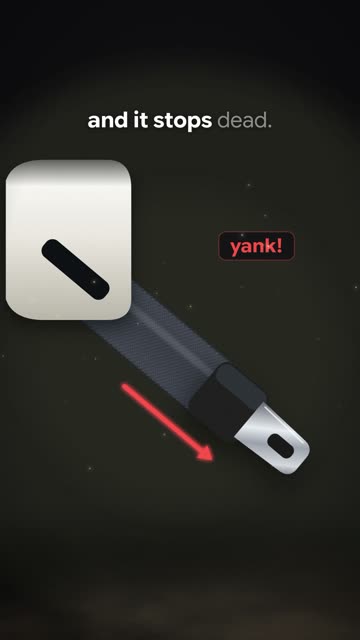
Next time you sit in a car, pull the seatbelt slowly. It slides out as far as you need. Now yank it, and it stops dead. So how does a strip of fabric know how fast you're pulling?
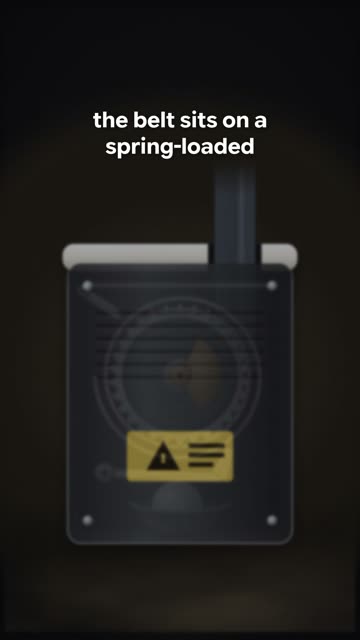
You'd think there's an electronic sensor and a little computer making that call, but the lock itself doesn't need a single wire. Behind the plastic trim beside your seat, the belt sits on a spring-loaded spool, watched by two tiny mechanical guards.
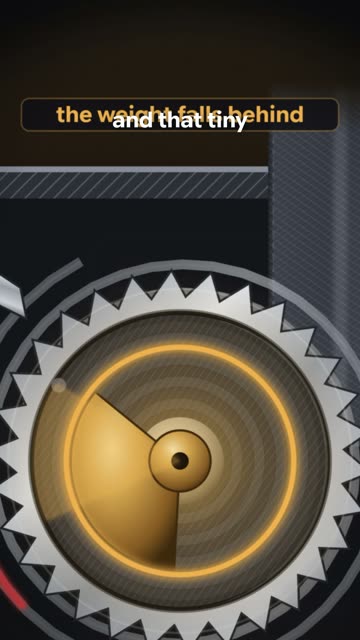
The first one watches the belt. Pull gently, and a small weight spins along with the spool. Yank, and the spool jumps ahead while the weight falls behind, and that tiny delay throws a claw into a ring of teeth. So the fabric knows nothing; a little weight that can't keep up does.
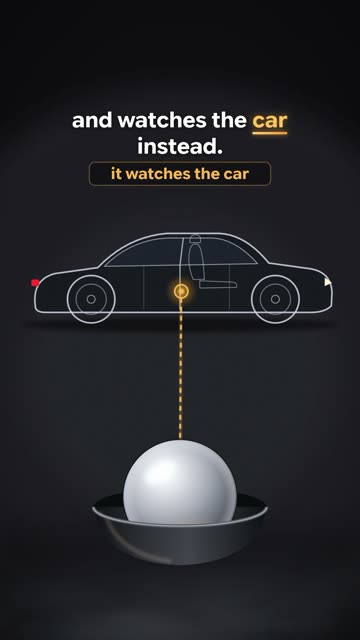
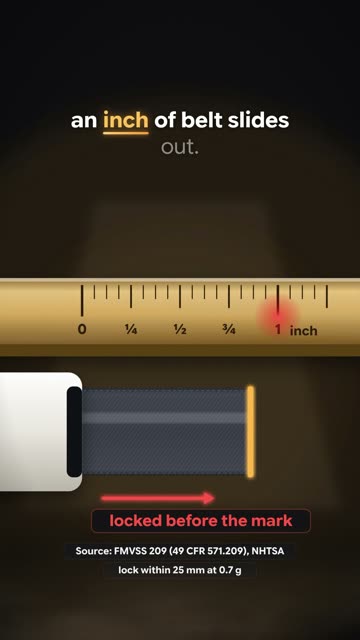
The second one is stranger: a steel ball in a cup that ignores the belt completely and watches the car instead. When the car brakes hard, the ball rolls forward, climbs the side of its cup and tips a lever that locks the spool without waiting for your body to pull. By US rules, under hard braking it has to catch before even an inch of belt slides out.
It's also why your belt can jam when you park on a really steep street. Nothing is broken; the ball just thinks you're slamming on the brakes.
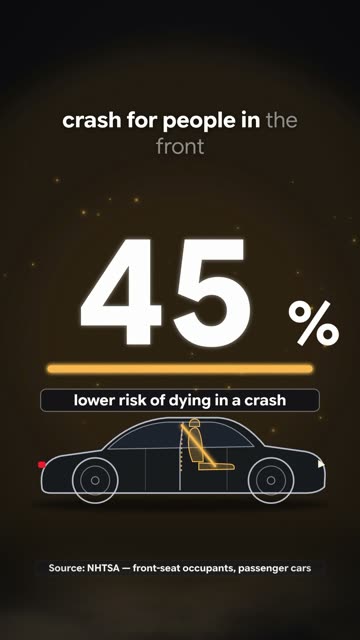
And according to NHTSA, just wearing your belt nearly halves the risk of dying in a crash for people in the front seat of a car.
Send this to the friend who just holds the belt across his chest when he sees the police.
3 · The scenes
Drawn in code — a new picture on every key word, each one scored against reference frames before the render.
4 · What the creator actually did
- Picked the topic.
- Approved the script.
- Approved the video.
- Picked a title and a cover — and got the upload kit for Shorts, TikTok and Reels.
Make reels like this one
HowItReels runs on your own Claude Code. Founding price $29 $49 · 14-day money-back.
Sources
© 2026 HowItReels. All rights reserved.